
What To Expect When Visiting a Heart Specialist
Visiting a heart specialist is a fundamental step when symptoms, risk factors, or test results suggest a need for focused cardiovascular evaluation. These appointments help to clarify what may be affecting heart function, assess your overall risk, and create a treatment plan that fits your health history and daily life. Here is more information on what to expect when visiting a cardiologist:
Preparing For The Visit
Preparation helps make your visit to a heart specialist more productive. Gather your medical records, and include previous test results, imaging reports, and a list of medications you currently take. Write down symptoms you’ve experienced, noting when they occur and what triggers them.
Prepare questions about your condition or treatment options, and bring a list of family members who have had heart disease. If you take blood pressure medication or blood thinners, continue taking them unless your doctor advises otherwise. Wear comfortable clothing and bring your insurance card and identification.
Going Through The Exam
The heart specialist will conduct a physical examination and ask detailed questions about your health. The visit typically includes:
- Medical history review: The specialist will ask about past illnesses, surgeries, and family history of heart disease.
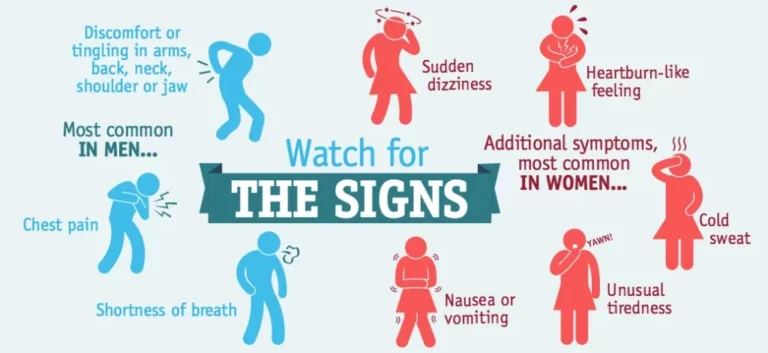
- Symptom discussion: You’ll describe any chest pain, shortness of breath, palpitations, or fatigue you’ve experienced.
- Physical examination: The doctor will check your blood pressure, heart rate, and listen to your heart and lungs with a stethoscope.
- Lifestyle assessment: Questions about diet, exercise, smoking, alcohol use, and stress levels help the cardiologist understand risk factors.
A cardiologist may examine your legs for swelling or discoloration during the visit, which can indicate circulation problems.
Exploring Common Heart Tests
Based on your symptoms and examination, the heart specialist may order diagnostic tests. Common tests include:
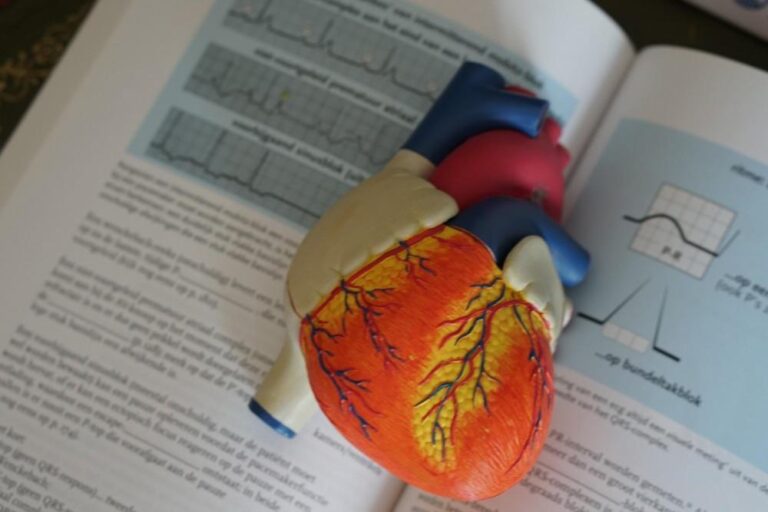
- Electrocardiogram (EKG): This test records your heart’s electrical activity. Small electrodes are placed on your chest, arms, and legs while you lie still for a few minutes.
- Stress test: You’ll walk on a treadmill or ride a stationary bike while an EKG machine monitors your heart. The test measures how your heart performs during physical activity.
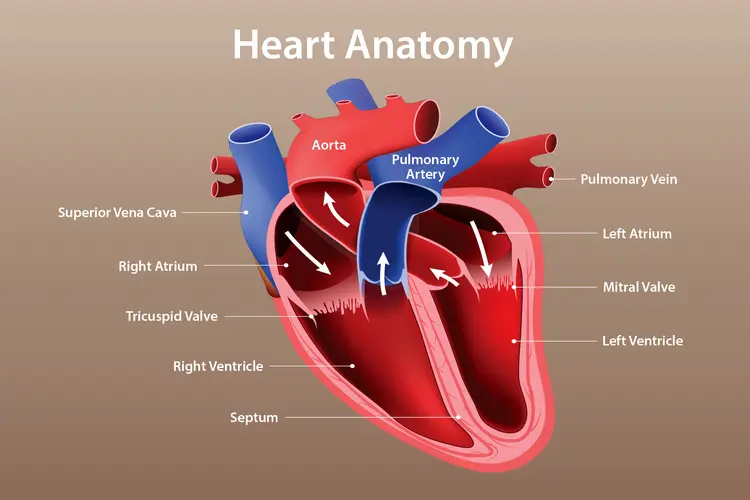
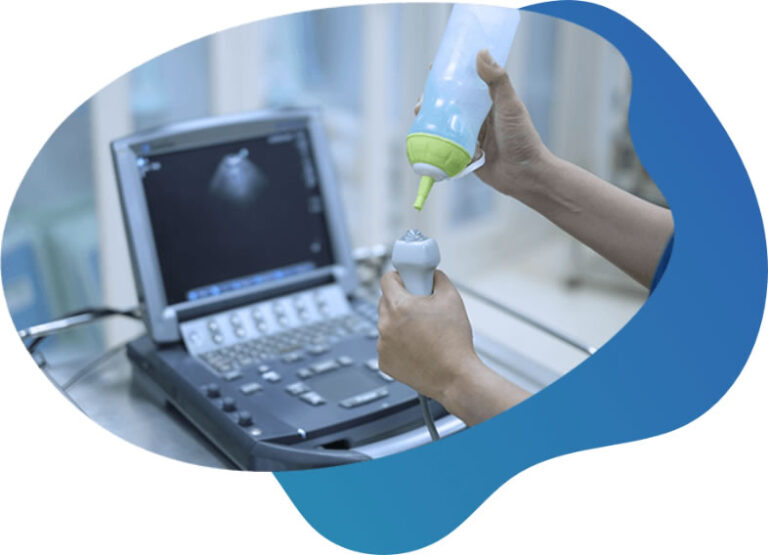
- Echocardiogram: This ultrasound creates images of your heart’s structure and function. A technician moves a transducer across your chest to capture the images.
- Vascular ultrasound: Sound waves produce images of blood vessels to detect blockages or narrowing. The test is painless and non-invasive.
The cardiologist will explain each test and the information it provides.
Planning Next Steps
The heart specialist will discuss your test results, and they will recommend a treatment plan based on the findings. Treatment may include lifestyle changes, medications, or procedures like stent placement. If you need medication, the doctor will explain how to take it and its potential side effects.
Schedule any follow-up appointments before leaving the office. Keep track of symptoms between visits, and contact the office if you experience chest pain, severe shortness of breath, or other concerning symptoms. The cardiologist may refer you to other specialists if needed.
Consult a Heart Specialist Today
A visit to a heart specialist involves preparation, examination, diagnostic testing, and follow-up care. Understanding each step helps you participate actively in your cardiovascular health. For symptoms such as chest pain, shortness of breath, or palpitations, contact a qualified heart specialist near you to schedule your consultation today.