Signs You Should Visit a Heart Doctor
A heart doctor, or cardiologist, specializes in diagnosing and treating diseases affecting the heart and blood vessels. Knowing the signs linked to heart conditions can help you determine when you might need an evaluation by a specialist. Understanding the different types of heart disease, their symptoms, and how they are diagnosed supports informed health decisions.
What Is Heart Disease?
Heart disease is a group of conditions that impact the structure and function of the heart. Many of these conditions relate to the buildup of plaque in arteries, known as atherosclerosis. This narrows the arteries and restricts blood flow, causing a range of health complications.
Coronary Artery Disease (CAD)
Coronary artery disease is the most common form of heart disease. It results from damage or disease in the arteries that supply the heart with blood and oxygen, typically caused by plaque accumulation. CAD can weaken the heart over time and lead to complications such as heart failure or arrhythmias.
Arrhythmia
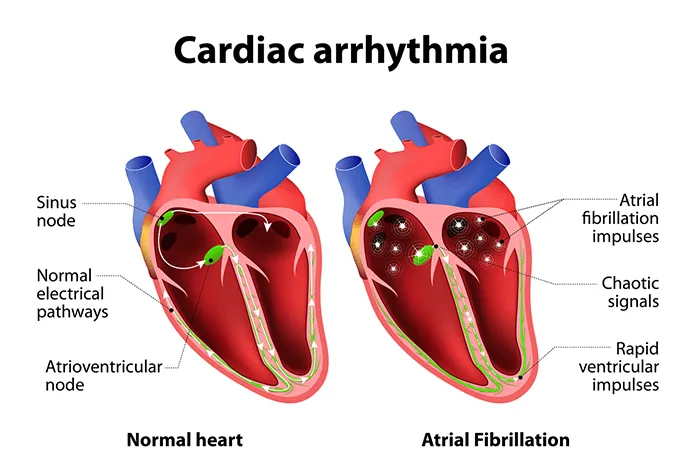
Arrhythmias are irregularities in the heartbeat, which can manifest as beating too fast, too slow, or erratically. These occur when the heart’s electrical impulses do not function properly. Arrhythmias vary in seriousness, some requiring monitoring or intervention.
Valvular Heart Disease
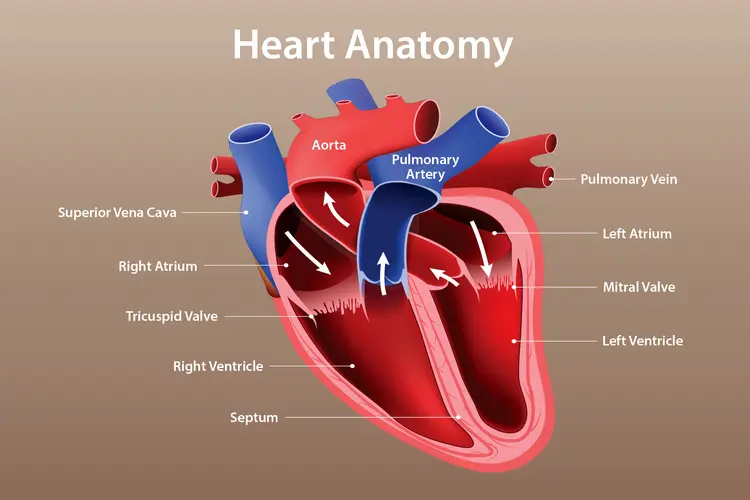
Valvular heart disease occurs when one or more of the heart’s four valves do not open or close as they should. This disrupts the normal flow of blood through the heart, allowing blood to leak through or limiting blood flow. Valvular issues may develop with age, from infections, or as a result of other heart conditions.
What Are the Signs?
Symptoms of heart disease can develop suddenly or progress over time. Recognizing these signs may support timely care. There are some common symptoms that can be noticed that prompt a visit to a heart doctor, such as:
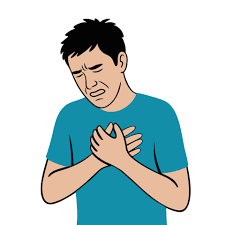
- Chest Discomfort: Sensations of pressure, tightness, squeezing, or aching in the chest.
- Shortness of Breath: Difficulty catching your breath during activities or while at rest may indicate the heart is not circulating blood effectively.
- Swelling in Legs, Ankles, or Feet: Fluid buildup in the lower extremities can signal that the heart is not pumping efficiently.
- Dizziness or Lightheadedness: Feeling faint or dizzy can result from irregular heartbeats or a drop in blood flow to the brain.
These symptoms may be linked to various heart conditions or other medical issues. Any persistent, worsening, or unexplained symptoms should prompt further evaluation.
How Is It Diagnosed?
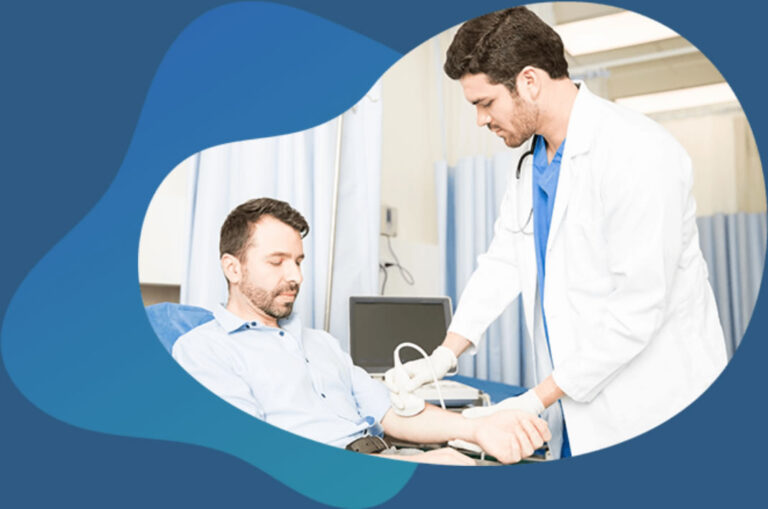
Diagnosis begins with a comprehensive review of your medical and family history, and a focused physical exam may be performed. Based on initial findings, further testing can be recommended. A heart doctor may conduct a:
- Electrocardiogram (EKG): Measures the electrical activity of the heart to detect arrhythmias, prior heart attacks, or abnormalities in heart size and position.
- Echocardiogram: Uses ultrasound to create images of the heart, providing details on the size, shape, and function of heart chambers and valves.
- Stress Test: Monitors heart function under physical exertion to reveal issues that may be hidden at rest.
- Cardiac Catheterization: Involves inserting a thin tube into a blood vessel and guiding it to the heart to look for blockages using contrast dye and X-ray imaging.
Results from these assessments inform the diagnosis and guide treatment planning.
Seek a Heart Doctor’s Care
Heart disease can present with a variety of symptoms, with some mild and some more pronounced. Awareness of the typical signs associated with heart disease, combined with prompt medical guidance, provides reassurance and support in managing your heart health. Seeking an evaluation may help clarify your condition and outline the next steps for your well-being.