
Understanding How To Properly Care for an Ankle Sprain
Ankle sprains occur when the ligaments stretch or tear during sudden movements, and it impacts daily life. These injuries can occur during sports, but a simple misstep on uneven ground can cause them. Because the ligaments connect bones together, damage here creates instability and pain that requires attention. Here is more information on how to care for an ankle sprain:
Rest Injured Side
Walking on a sprained ankle typically worsens the damage, and it delays the necessary healing process. To heal, stay off the injured foot as much as possible to protect the ligaments. Pain serves as a clear signal that the body needs a break from normal activity. The damaged tissues require time without stress to knit back together properly.
Using crutches helps you move around without placing weight on the injured side. Complete rest allows the initial inflammation to subside, and this may happen faster than if you continue walking. If you ignore the pain and push through, you risk turning a minor ankle sprain into a chronic issue.
Apply Ice
Cold therapy is used to reduce inflammation, and it numbs the area to help manage pain levels. Apply an ice pack to the affected area for 15 to 20 minutes. If you leave the ice on for too long, it might damage the skin or nerves. Wrap the ice pack in a thin towel before placing it directly on your skin, as this barrier protects your skin while allowing the cold to penetrate the tissues underneath.
Reapplying the ice every two to three hours keeps swelling under control during the first day. The cold constricts blood vessels, and this limits bleeding into the tissues around the joint. You repeat this cycle throughout the waking hours for maximum effectiveness. While the cold feels uncomfortable initially, the relief it brings is significant for recovery.
When you manage the swelling early, you set a better foundation for the days ahead. Ice remains a standard first-aid step for good reason. Swelling restricts movement, so reducing it helps you regain mobility sooner rather than later.
Elevate Ankle
Gravity contributes to swelling when the foot hangs down, so you need to counteract this force. Prop your ankle up on pillows whenever you sit or lie down. The fluid that accumulates around the injury drains away more easily in this position. Keeping the ankle above the level of your heart maximizes the benefits of elevation.
Try these actions:
- Stack two pillows for height.
- Lie flat on a couch or bed.
- Keep the knee slightly bent.
- Stay in this position often.
This action uses gravity to your advantage, and it complements the effects of icing and rest. You may feel a throbbing sensation decrease as the fluid moves away from the extremity. Elevation works well when maintained for extended periods throughout the day.
Follow Professional Advice
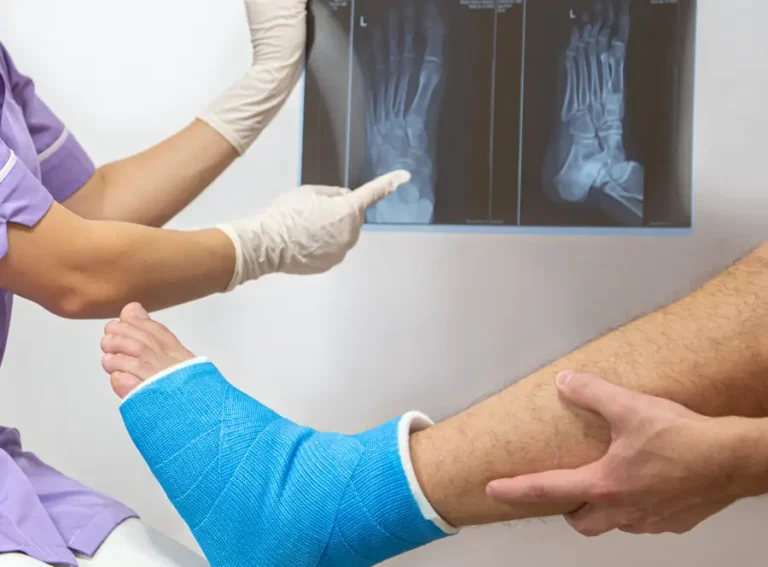
A healthcare provider assesses the severity of the sprain, and they determine if fractures are present. Some sprains mask more serious injuries that require specialized medical intervention or surgery to fix. X-rays or MRI scans provide a clear picture of what is happening inside the joint. Seeking a professional opinion prevents complications that might arise from an undiagnosed fracture.
Treat an Ankle Sprain
Apply ice, rest the joint, and elevate the limb to manage the initial symptoms effectively. After an injury, taking these actions promptly supports the body’s natural healing mechanisms. Reach out to our clinic today if you need a thorough assessment of your ankle injury.