How To Identify and Treat Diabetes
Diabetes is a chronic condition that affects how the body processes glucose. Glucose is a primary energy source for muscles and tissues, and it also supports brain function. When the body does not regulate blood sugar effectively, this can lead to health complications.
What Is Diabetes?
Diabetes describes several diseases characterized by problems with blood sugar regulation. The cause and development of this disease differ according to type. The pancreas produces the hormone insulin, which helps move glucose from the bloodstream into cells. In diabetes, either too little insulin is produced, or the body cannot use insulin efficiently. The two main forms of this condition are:
- Type 1 Diabetes: This form occurs when the pancreas produces little or no insulin. Often identified in children and adolescents, it can also present in adults.
- Type 2 Diabetes: The most common type. In this case, the body does not respond well to insulin or does not make enough to keep glucose levels normal.
How Is It Detected?
The symptoms of diabetes depend on certain factors, such as the level of blood sugar elevation. People with early Type 2 diabetes may notice few or no symptoms, while those with Type 1 diabetes often develop more pronounced symptoms rapidly. Symptoms include:
- Frequent Urination: High blood sugar may draw fluids from tissue, causing increased thirst and frequent urination.
- Extreme Hunger: Muscles and organs lacking energy from glucose may drive increased appetite.
- Persistent Fatigue: When cells cannot access sugar, constant tiredness occurs.
- Blurred Vision: Shifting fluids may affect eye lenses, causing blurry vision.
- Slow-healing Sores: Reduced circulation and nerve function can delay healing.
How Is It Treated?
Managing diabetes focuses on keeping blood sugar within a healthy range. Treatment strategies depend on the disease’s type and the needs of the individual. Certain daily choices support diabetes care. Eating plans often emphasize vegetables, fruits, and whole grains. Carbohydrate intake may be monitored to help regulate blood sugar. Exercise can also help regulate blood sugar levels.
Monitoring Blood Sugar
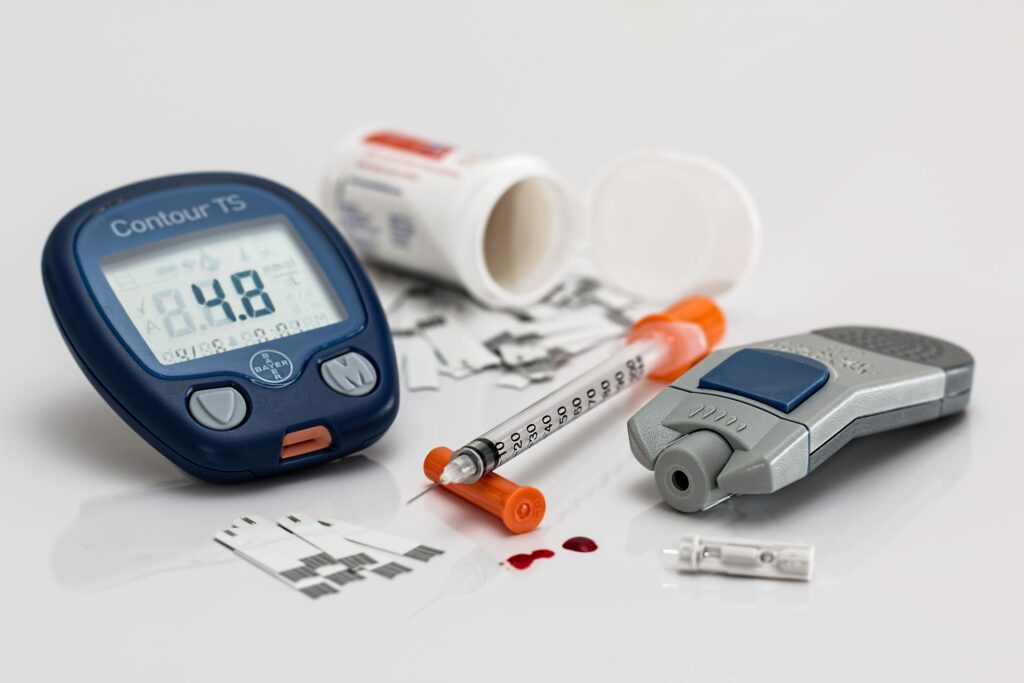
Blood sugar monitoring is central to care, and many people use a continuous glucose monitor (CGM). These devices measure blood sugar at frequent intervals, using a sensor under the skin and send results to a mobile device. This allows for timely adjustments to daily habits or medications.
Insulin Therapy
Insulin is required for all individuals with Type 1 diabetes, and is also used for some with Type 2 diabetes. Insulin is administered through injections or an insulin pump. Pumps are wearable devices that deliver insulin through a catheter just under the skin, providing a steady insulin supply throughout the day.
Speak With an Endocrinologist
Endocrinologists are trained to diagnose and help manage hormone-related illnesses, including diabetes. They interpret blood sugar data, adjust treatments as needed, and offer guidance on lifestyle plans to support well-being. Regular appointments with an endocrinologist allow for timely changes to diabetes management as a person’s needs change. Individuals experiencing potential symptoms or who wish to understand their risk factors may find it helpful to arrange a visit with a medical professional specializing in hormone health.