
How Hearing Implants Assist Those With Profound Hearing Loss
Hearing implants are advanced medical devices designed for individuals with significant hearing loss who may not receive enough benefit from traditional hearing aids. These implants can provide access to sound by directly stimulating the hearing nerve or other parts of the auditory system. For those with profound hearing loss, this technology can offer a meaningful connection to the world of sound, and it can improve communication and awareness. Understanding how these devices work is the first step in exploring this potential solution.
Hearing Implant Functionality
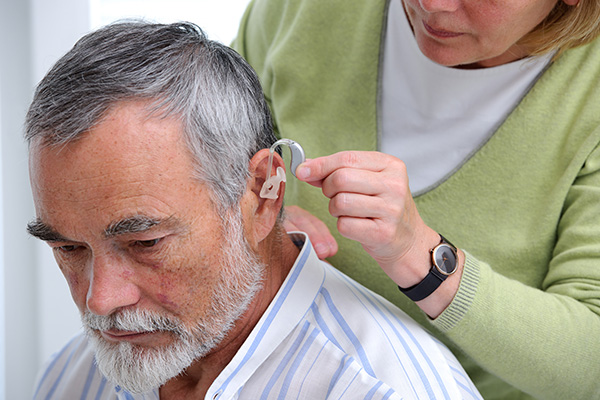
Hearing implants consist of both external and internal components. The external part includes a microphone and a speech processor, and it is typically worn behind the ear. This component captures sound from the environment and converts it into a digital signal. The signal is then transmitted to the internal implant, which is placed surgically.
The internal device receives the signal and converts it into electrical impulses. These impulses are sent to an electrode array inside the cochlea, which is the spiral-shaped part of the inner ear. The electrodes stimulate the auditory nerve directly, and the nerve carries these signals to the brain. The brain then interprets these signals as sound, bypassing the damaged parts of the ear. This process allows an individual to perceive sound in a different way.
Hearing Implants Benefits
Hearing implants can offer several advantages for individuals with profound hearing loss. The primary goal is to improve sound perception and speech understanding, which can have a positive impact on daily life. Outcomes vary for each person, and many recipients experience enhanced awareness of their surroundings. Some potential benefits include:
- Improved ability to understand speech, both in quiet and noisy environments.
- Enhanced awareness of environmental sounds, which contributes to safety.
- The ability to hear your own voice, which can help with modulating its volume.
- Greater ease in using the telephone.
- Renewed enjoyment of music and other auditory experiences.
Hearing Implant Factors
Exploring hearing implants is a significant decision that involves several factors. The process begins with a thorough evaluation by a team of specialists, including an audiologist and an ear, nose, and throat (ENT) surgeon. This assessment determines if an individual is a suitable candidate for the procedure, and it helps set realistic expectations for outcomes.
The process includes surgery, and a period of healing is required before the device can be activated. After activation, rehabilitation with an audiologist begins. This helps the brain learn to interpret the new electrical signals as sound. Consistent follow-up appointments are recommended to adjust the device and support the individual’s progress. Discuss all aspects of the process, including the commitment to rehabilitation, with a healthcare professional.
Ask a Specialist Today
If you or a loved one is experiencing profound hearing loss, seeking professional guidance is advisable. A specialist can provide a comprehensive evaluation, and they may offer personalized information based on your specific hearing condition. They will answer your questions and help you understand the options available. We encourage you to schedule a consultation to receive clear, professional advice about your hearing health.