How Seasonal Changes Can Affect Contacts
Contact lenses offer effective vision correction, but environmental factors sometimes influence their performance. Wearers may notice fluctuations in comfort and clarity as the seasons shift from warm to cold or humid to dry. Understanding these variables helps patients maintain ocular health throughout the year. Here is more information on contacts and the benefits of professional care:
What Are Contacts?
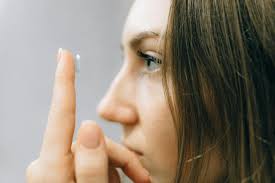
Contact lenses are thin, curved lenses placed directly on the surface of the eye to correct vision. They function similarly to eyeglasses by refracting light so it focuses properly on the retina, but they sit right on the tear film. This proximity allows for a wider field of view than spectacles and eliminates frame obstructions.
Contacts are made from various biocompatible materials, and they are safe for long-term ocular use. Patients may choose them for aesthetic reasons, for sports, or simply for the convenience of not wearing glasses. Optometrists prescribe them based on the specific refractive error and the shape of the eye.
How Do They Work?
Light enters the eye, passes through the cornea and lens, and reaches the retina, where images are processed. Refractive errors occur when the eye’s shape prevents light from focusing directly on the retina, and this causes blurred vision. Contact lenses refract light to compensate for these refractive errors.
Myopia (nearsightedness) is corrected with a diverging lens that spreads light out before it hits the eye, whereas hyperopia (farsightedness) requires a converging lens to focus light sooner. Astigmatism requires a lens with different powers in different meridians to correct the cornea’s uneven curvature. Proper fit is necessary to prevent damage to the corneal surface.
What Seasonal Changes Affect Contacts?
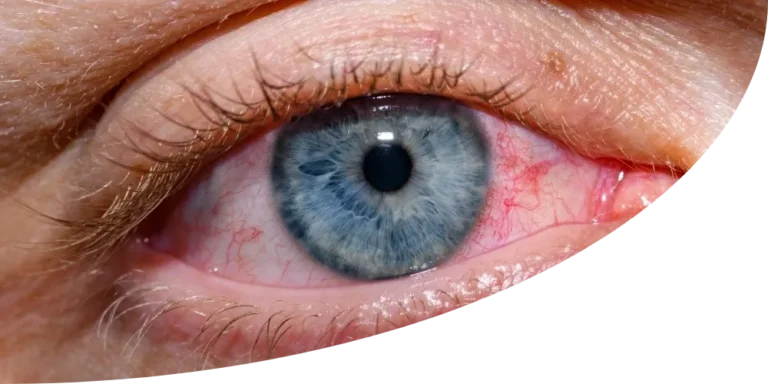
Spring often brings a surge in pollen and other allergens, and these have the potential to adhere to contact lenses. This accumulation may trigger an immune response, leading to redness, itching, and increased tear production. Daily disposable lenses may be recommended during allergy season to minimize allergen buildup.
Summer conditions bring high temperatures and increased air conditioning, and these accelerate tear evaporation. Swimming with contact lenses increases the risk of infection from bacteria or parasites found in water. Protective eyewear or prescription goggles are safe alternatives for aquatic activities.
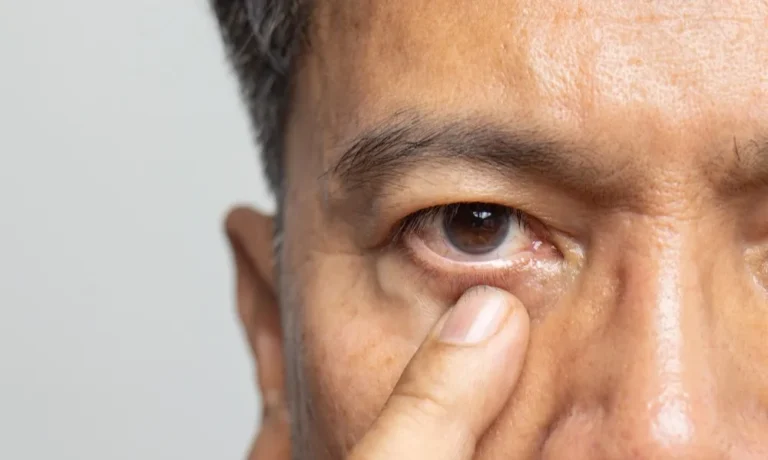
Autumn and winter typically bring lower humidity levels and harsh winds that dry out the eyes. Indoor heating systems further reduce air moisture; this exacerbates dry eye symptoms for contact lens wearers. Lubricating eye drops compatible with contacts help maintain moisture levels during these drier months.
How Is Professional Guidance Beneficial?
An optometrist evaluates ocular health and lifestyle factors to recommend the most suitable lens type and care regimen. They perform precise measurements of the corneal curvature to verify that the lens fits correctly and comfortably. Regular examinations allow the doctor to monitor for any physiological changes caused by lens wear, and they recommend treatment options. During seasonal transitions, an eye care provider can suggest specific strategies to mitigate discomfort.
Consult an Optometrist Now
Seasonal changes affect contact lens wearers, but appropriate management strategies mitigate issues effectively. Dryness, allergies, and environmental irritants are manageable with the correct lens choice and care habits. Schedule an appointment with an optometrist to adapt your vision care plan.