Common Myths About Varicose Veins Debunked
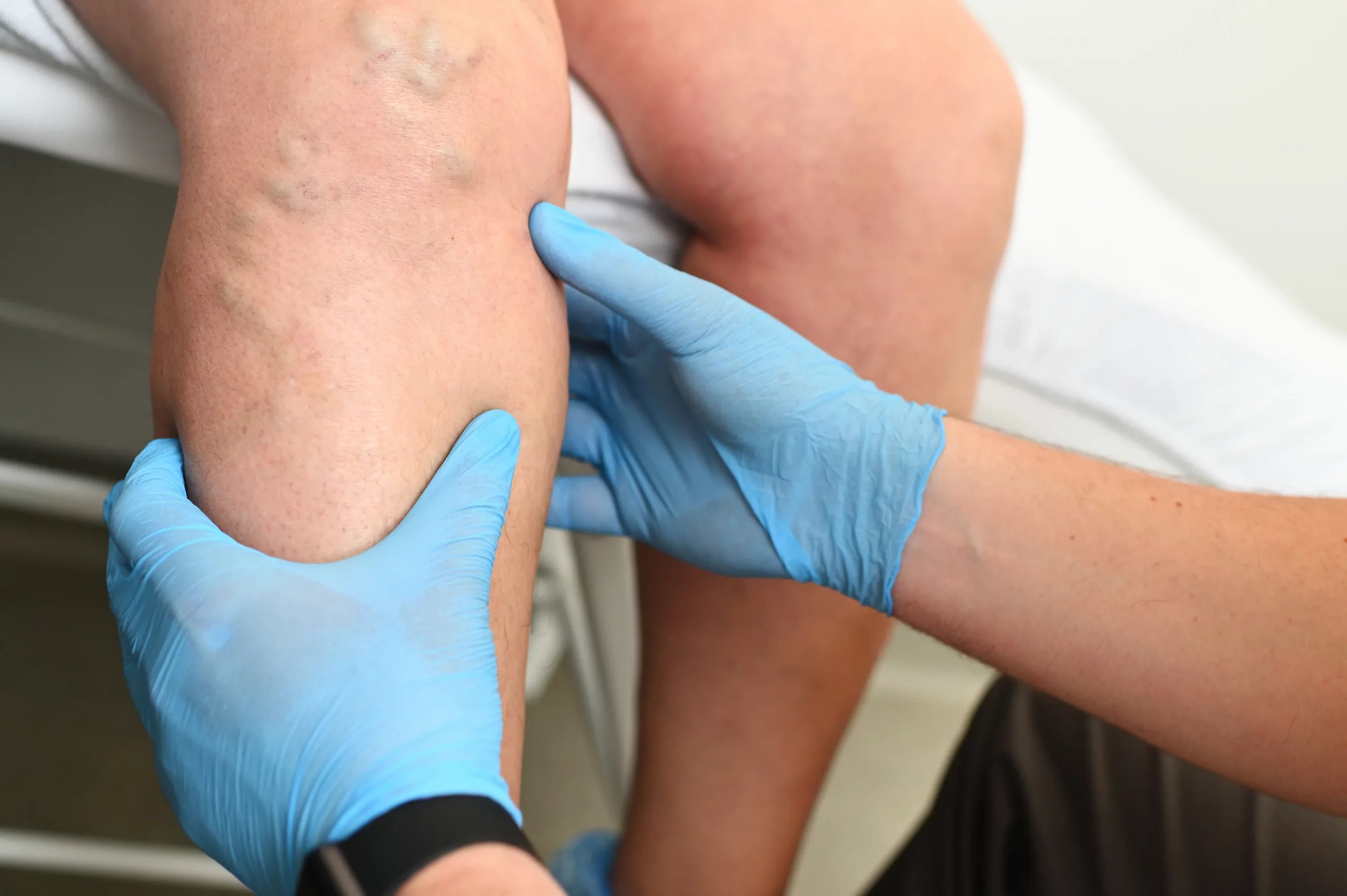
Varicose veins are swollen, twisted veins that you can see just under the skin. While they typically appear on the legs, they can form anywhere on the body. These veins develop when faulty valves allow blood to flow in the wrong direction or pool. Since many misconceptions surround this condition, here are some debunked myths:
Myth: Only Women Get Them
Men also develop varicose veins, though women and older people are more frequently affected. This myth likely exists because hormonal changes related to pregnancy and menopause increase a woman’s risk, but men are not immune. A family history of varicose veins is a significant risk factor for both genders.
Myth: Leg-crossing Can Cause Them
Crossing your legs does not cause varicose veins. While the habit might put temporary pressure on your veins, it is not a direct cause of this condition. This condition develops from weakened vein walls and faulty valves, which are internal issues unrelated to how you sit.
The actual risk factors are quite different and have more to do with your body’s internal workings than your posture. Prolonged standing or sitting may make it harder for blood to flow up from your legs, increasing pressure inside your veins. Other contributors include genetics, obesity, and age, since veins naturally lose elasticity over time.
While crossing your legs is not a cause, it might aggravate existing symptoms if you already have varicose veins. You might experience discomfort, but the action itself will not create new ones. Focusing on maintaining a healthy weight and staying active is a more effective way to support your vein health.
Myth: Surgery’s the Only Option
Many treatment options are available besides traditional surgery. Minimally invasive procedures now offer effective alternatives, so you have choices. A doctor can recommend the ideal path forward after an evaluation. Non-surgical treatments include:
- Sclerotherapy
- Laser ablation
Minimally invasive treatments are less painful and have shorter recovery times compared to traditional surgery, making them a popular choice for many. You can discuss your symptoms with a vein specialist to explore all available options. While some cases may still require surgery, non-surgical methods are practical for addressing many vein-related issues and may significantly improve your quality of life.
Myth: They’re Just Cosmetic Concerns
These veins are more than just a cosmetic issue for many people. While some individuals may not experience physical discomfort, others face symptoms that affect their daily lives. Ignoring them could lead to more serious problems.
These veins can cause aching, swelling, and a feeling of heaviness in the legs. In some cases, these veins may signal an underlying circulatory problem known as chronic venous insufficiency. Left untreated, this condition might lead to skin ulcers, bleeding, or blood clots. It is a good idea to speak with a healthcare provider if you have concerns.
Get Treated for Varicose Veins
Misinformation can prevent people from seeking appropriate care for varicose veins. Understanding the facts helps you make informed decisions about your health. These veins are a medical condition with a variety of causes and treatments, not just a cosmetic flaw. If you are experiencing discomfort or are concerned about your veins, schedule a consultation with a specialist to discuss your treatment options.