Finding the Right Dermatologist for Acne and Other Conditions
A dermatologist specializes in the health of skin, hair, and nails. These specialists diagnose and treat many different conditions, ranging from common issues like eczema to complex diseases like skin cancer. Dermatology services include medical treatments and cosmetic interventions to improve skin health and appearance, but a consultation is needed for personal recommendations. By understanding the skin’s structure and function, dermatologists provide comprehensive management plans tailored to individual needs. Here’s more information on dermatology services for managing acne and other skin conditions:
Treating Acne
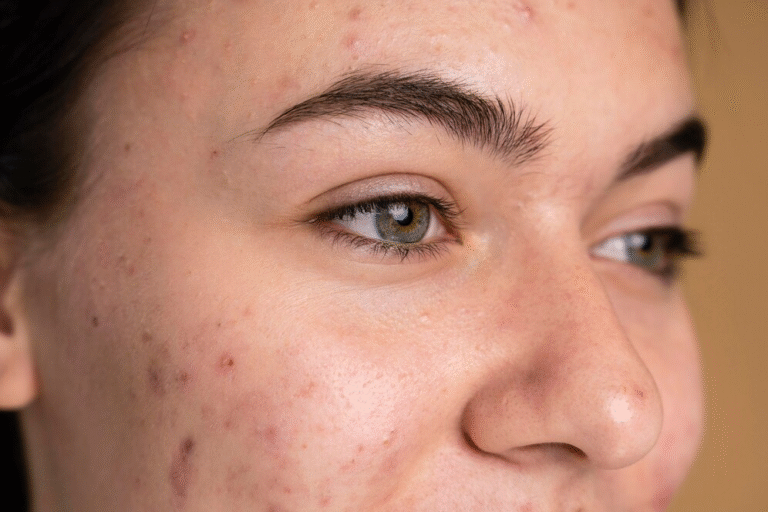
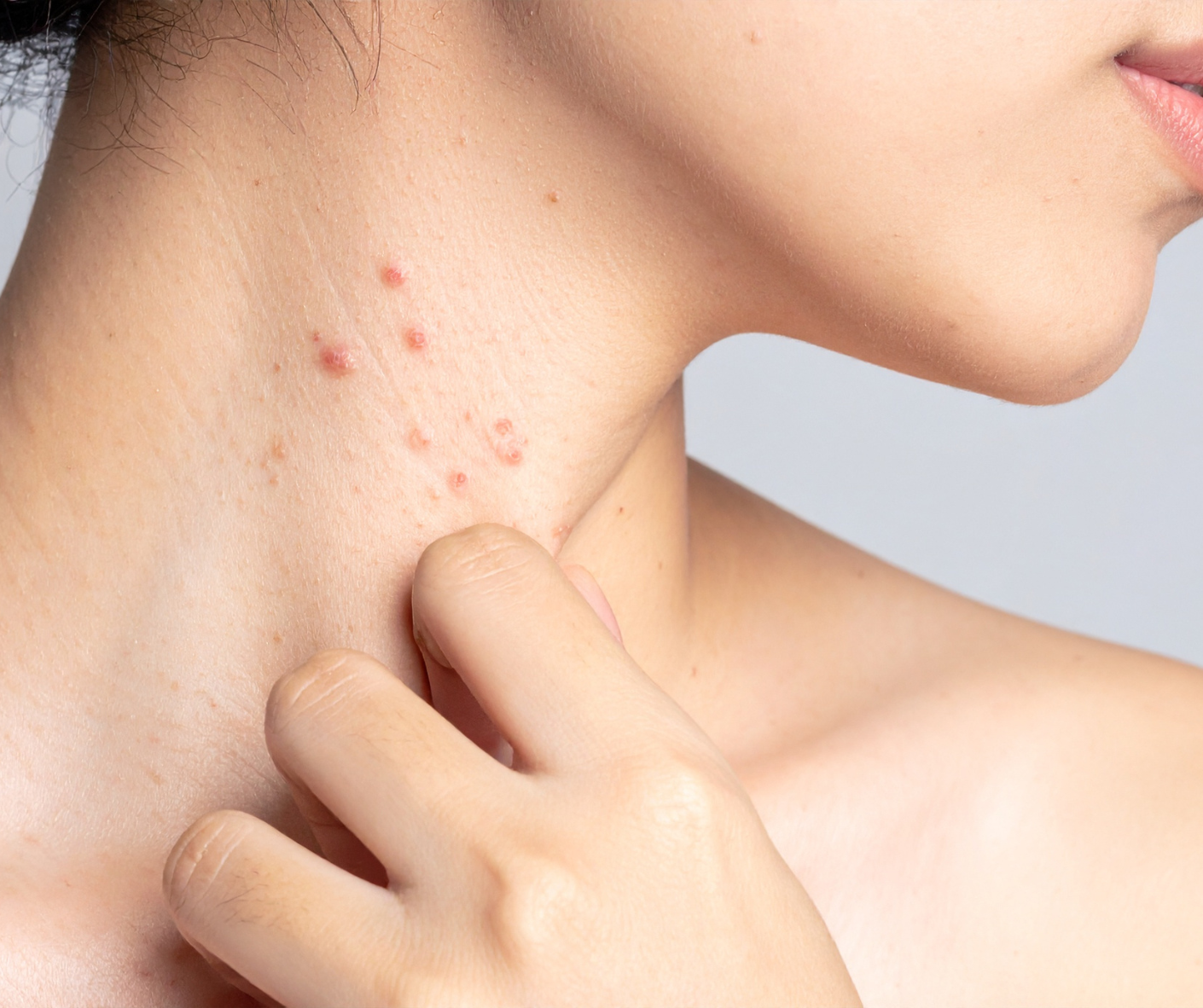
Skin conditions often affect more than just physical appearance. Persistent acne, eczema, or psoriasis can lead to physical discomfort or inflammation that interferes with daily activities. Acne is one of the most common skin conditions treated in dermatology clinics, but effective management often requires professional interventions. Dermatologists evaluate acne type, whether it is hormonal, cystic, or comedonal, to determine the most appropriate course of action.
When addressing active acne, dermatologists utilize a variety of medical-grade treatments. Topical retinoids are often prescribed to unclog pores and reduce inflammation, while oral medications may be necessary for more severe or cystic acne cases. Antibiotics can help reduce bacteria on the skin, and hormonal therapies are sometimes recommended for specific cases. The goal is to control the current breakout, prevent new lesions from forming, and minimize the risk of long-term scarring.
Treating Scarring and Hyperpigmentation
Once active acne is under control, many people are left with textural changes or dark spots known as post-inflammatory hyperpigmentation. Dermatologists offer specialized procedures to smooth the skin’s texture and even out skin tone. Here are some common dermatology services to improve skin texture, but keep in mind that many dermatology clinics offer customizable options:
Chemical Peels
Chemical peels involve applying a solution to the skin that causes the outer layers to exfoliate and eventually peel off. This process reveals newer, smoother skin underneath and can be effective for reducing the appearance of superficial acne scars and pigmentation. Different depths of peels are available, ranging from superficial to deep, and a dermatologist will select the appropriate strength based on the skin type and the severity of scarring.
Light Therapy
Light therapy uses specific wavelengths of light to target skin concerns. Intense pulsed light (IPL) and various laser treatments can break down pigment in the skin, reducing the visibility of dark spots caused by previous breakouts. Some laser therapies also stimulate collagen production, which plumps the skin and smooths out the depressions caused by acne scarring. These treatments are precise and allow the provider to target damaged areas without harming the surrounding healthy tissue.
Finding the Right Provider For You
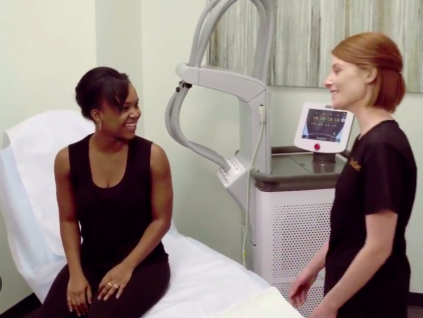
Selecting a dermatologist is a fundamental step for your skin healthcare. You should research the provider’s specific areas of interest, as some may focus heavily on skin cancer surgery while others specialize in cosmetic dermatology or acne management. Reading patient reviews and scheduling a consultation can provide insight into the clinic’s communication style and approach to care. A good provider will listen to your concerns, explain your diagnosis clearly, and work with you to develop a sustainable treatment plan.
Contact a Dermatology Clinic
If you are struggling with persistent acne or other skin concerns, professional help is available. Early intervention often leads to better treatment outcomes, so don’t wait, contact a dermatology clinic today. Schedule a consultation with a qualified dermatologist to discuss options for your needs.