How Chronic Pain Affects Daily Life and Strategies for Coping
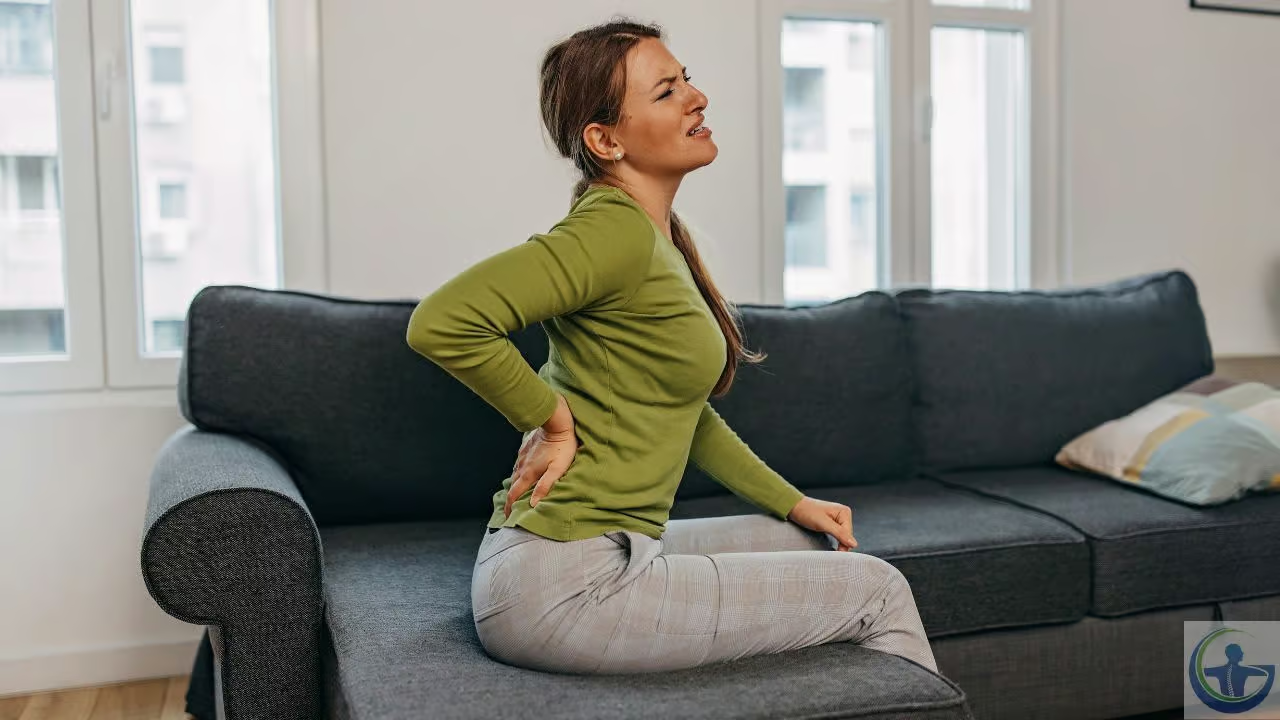
Lumbar spinal stenosis narrows the open spaces found within your lower spinal canal, and this causes chronic pain. This condition puts pressure on nerves, and it causes significant, lasting physical discomfort. Because the space tightens over time, simple daily activities may become increasingly difficult. Here is more information about how chronic pain affects daily life and how to control it:
Impacting Mobility
When you walk for extended periods, your legs might feel extremely heavy or cramped. Pain radiates down the legs aggressively, and you stop walking frequently, for the relief allows you to continue. This limitation affects your independence and restricts your ability to perform routine tasks.
Standing upright extends the spine, but this posture narrows the spinal canal further. Because bending forward opens the space, many people lean over shopping carts for comfort. This specific position aims to relieve the pressure on the nerves almost immediately. The nerves gain room, and the pain subsides for a moment.
Causing Numbness and Tingling
Compression prevents nerves from sending clear, strong signals to the lower extremities. While you ignore mild tingling from lumbar spinal stenosis, the sensation spreads quickly to the feet. You lose feeling in your toes, and walking becomes a dangerous task. These sensory changes increase the risk of falls and other injuries.
Typical symptoms include:
- Prickling or needles
- Burning in the legs
- Numbing sensations in the feet
These symptoms typically worsen over time if the underlying cause is not addressed. Nerve compression can be caused by various factors, including prolonged pressure or repetitive strain. While some cases are mild and may resolve with rest and proper care, others require medical intervention to prevent further complications.
Leading to Weakness
When nerves remain compressed for too long, the leg muscles lose their strength. Foot drop occurs suddenly, and tripping may become a frequent hazard during daily walks. Muscles require neuromuscular transmission to function properly and support your body weight. If the nerve dies, the muscle strength may never fully return.
Providing Strategies
Excess body weight places additional mechanical stress on the structures of the lumbar spine. A healthy diet supports weight loss, and exercise strengthens the supporting core muscles. If you reduce this load, your back may experience significantly less daily strain. Shedding pounds may help alleviate the pressure placed on the affected nerves.
Inflammation worsens pain levels, so doctors may suggest specific types of corticosteroids. Because oral medication has limits, epidural steroid injections target the compressed nerves directly. This is used to reduce swelling within the spinal canal. The injection flushes out inflammatory proteins, and you typically feel relief fairly quickly.
While surgery is complex, recovery may be faster than traditional open back surgery. Minimally invasive lumbar decompression removes small pieces of bone and thickened ligament. This procedure increases space in the canal, so the nerves have much more room. The doctor typically performs this through a tiny incision without general anesthesia.
Treat Lumbar Spinal Stenosis
Consult a spine specialist today to discuss your specific symptoms and history. While chronic pain is challenging, many viable treatment options exist for finding relief. Taking action can help stop progression, and you regain control over your daily life. Call our office to schedule your consultation and start your recovery.