How to Differentiate Between Types of Chest Pain
Chest pain can be an alarming experience, often leading to questions about its origin. The discomfort can range from a sharp stab to a dull ache, and many conditions can cause it. Understanding the different characteristics can help you communicate more effectively with a healthcare professional.
What Are Types of Chest Pain?
Chest pain can be categorized based on its source. The two main categories are heart-related and non-heart-related pain. Recognizing the differences can provide helpful context when discussing your symptoms with a provider.
Heart-Related Pain
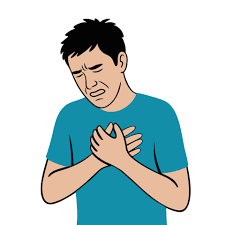
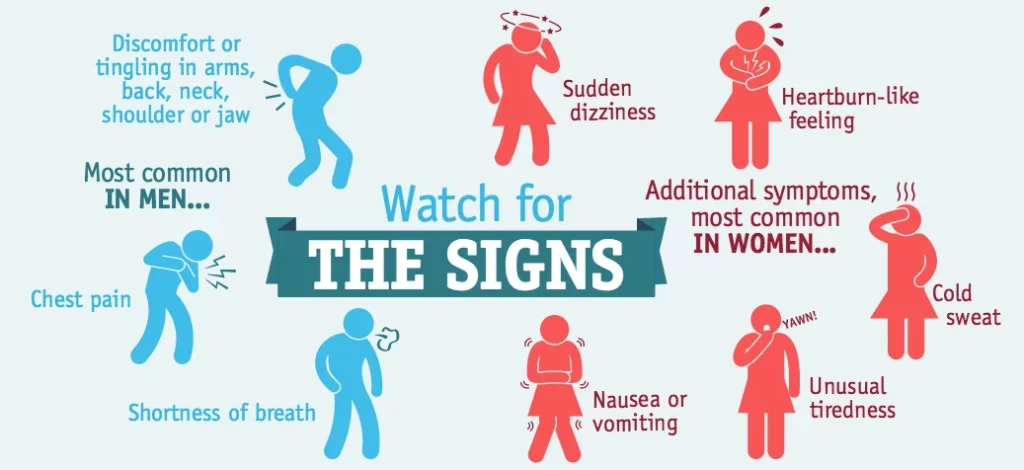
Heart-related chest pain often presents with specific characteristics. This type of discomfort may feel like pressure, squeezing, or fullness in the center of the chest. The pain can also radiate to other areas, such as the arms, back, neck, jaw, or stomach. Symptoms like shortness of breath, cold sweats, or dizziness might accompany the pain.
Non-Heart-Related Pain
Many instances of chest pain are not related to the heart. Gastrointestinal issues, such as acid reflux or gallbladder problems, can cause a burning sensation in the chest. Musculoskeletal injuries, like a pulled muscle or bruised rib, can result in sharp, localized pain that worsens with movement or deep breaths. Lung conditions and even anxiety can also manifest as chest discomfort.
When Is It Urgent?
Certain signs accompanying chest pain suggest a need for immediate medical attention. Paying attention to these symptoms can help you determine the seriousness of the situation. Getting a prompt evaluation can provide peace of mind and direction for next steps.
Here are some symptoms that indicate a need for urgent evaluation:
- Pain that spreads: Discomfort that radiates from the chest to the shoulders, arms, back, neck, or jaw.
- Pressure or tightness: A sensation of squeezing, fullness, or heavy pressure in the chest.
- Shortness of breath: Difficulty breathing or feeling like you cannot get enough air.
- Cold sweats: Unexpected sweating accompanied by a cold, clammy feeling.
- Dizziness or weakness: Feeling lightheaded, faint, or unusually weak.
If you experience pain in your chest combined with any of these symptoms, seeking medical help is a sound course of action. Timely care allows a professional to assess your condition and guide you toward the appropriate response. It is a proactive step for your well-being.
What Tests Aid Diagnosis?
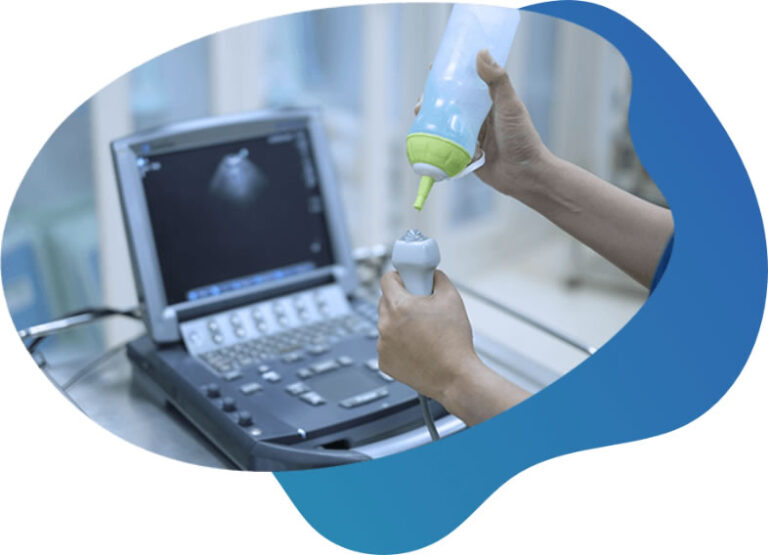
When you see a healthcare provider, they may use several tests to identify the cause. An initial evaluation often includes a physical exam and a review of your medical history. Based on this information, a provider might recommend specific diagnostic procedures.
An electrocardiogram (ECG or EKG) is a common initial test that records the heart’s electrical activity. Blood tests can check for enzymes that may indicate heart muscle damage. Imaging tests, such as a chest X-ray, can help visualize the heart, lungs, and blood vessels. For more detailed views, a computerized tomography (CT) scan might be performed. These tests give a clearer picture of what is happening inside your body.
Consult a Specialist
A healthcare professional has the knowledge to interpret symptoms and test results accurately. They can develop a plan tailored to your specific situation. If you are experiencing chest pain, scheduling an appointment with a qualified provider is a practical step toward understanding your health.