
How Radiation Therapy Is Tailored for Individual Patients
Radiation oncology uses high-energy particles or waves to treat cancer. It can target cancer cells both inside and outside the body. Medical teams use the method that fits each patient’s condition. The main focus of this therapy is customization. Every treatment plan is designed for the individual’s medical needs. This article gives a brief overview of radiation therapy, reviews the available types, and explains how care is adapted for each person.
Understanding Radiation Therapy
Radiation therapy treats cancer at the site where it starts or spreads. The process damages the DNA in cancer cells so they cannot divide or grow. Healthy cells can repair this damage, but cancer cells generally cannot recover. For this reason, the therapy stops cancer growth and helps the body remove the damaged cells.
Most patients get radiation in short daily sessions. These occur over several weeks. This schedule helps healthy tissue heal. Cancer cells are attacked with each session and continue to die even after therapy ends. The results last for weeks or months after the treatment course. The approach gives the body time to respond and heal.
Understanding Types
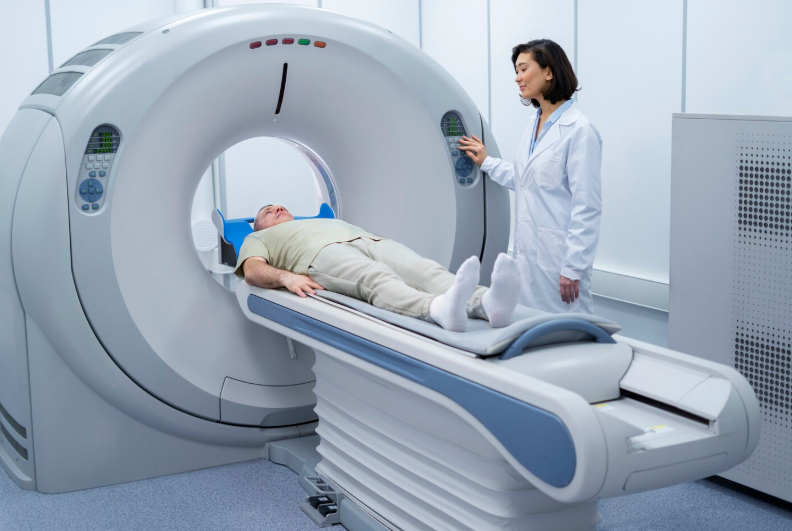
There are several main categories of radiation therapy. External beam radiation is most common. A machine called a linear accelerator directs energy rays from outside the body. Beams are aimed precisely at the tumor. The machine moves to apply radiation from different directions. This focuses the energy on cancer cells while avoiding healthy tissue.
Brachytherapy is another method. In this type, radioactive material is placed right into or beside the tumor. This internal technique gives a high dose at the tumor site. Healthy tissue is less exposed. Brachytherapy is used for certain cancers and specific locations. It may be left in place for a short or long period.
Stereotactic radiosurgery delivers a single, large dose. It targets small tumors in areas like the brain or spine. This method requires careful planning. Similarly, Stereotactic Body Radiation Therapy (SBRT) targets small, well-defined tumors in other body parts. SBRT is delivered in a few high-dose sessions. Both approaches help protect nearby healthy tissue.
Radiopharmaceuticals are drugs with radioactive material. The medicine is injected or swallowed. It travels through the bloodstream to cancer sites. The radiation is released at the target location. This type works for cancers found throughout the body. It provides a way to reach cancer cells that may not be accessible by external beams.
Understanding Treatment Approaches
Radiation plans are unique to each patient. Doctors consider cancer type, stage, and location before deciding what to use. Sometimes, radiation is offered alone. In other cases, it is combined with other treatments like chemotherapy or surgery. The team creates a plan that gives the best chance for success.
In some cases, external beam radiation shrinks a tumor before surgical removal. Sometimes, brachytherapy is used after surgery to treat any remaining cancer. Treatment may also change across the course, depending on the response. Adjustments help keep therapy effective.
The process is monitored closely. Sessions are brief and not painful. Most people can continue their daily activities during the course. Staff checks for side effects and makes changes if needed. Every step is documented and adjusted for safety and results. These checks are key to maintaining health during treatment.
Find a Clinic
Throughout the entire therapy, teamwork is helpful. Healthcare professionals monitor patient progress. They provide support and manage effects. With careful planning and daily assessment, the team tailors each plan to fit individual needs. Find a clinic nearby to learn more.