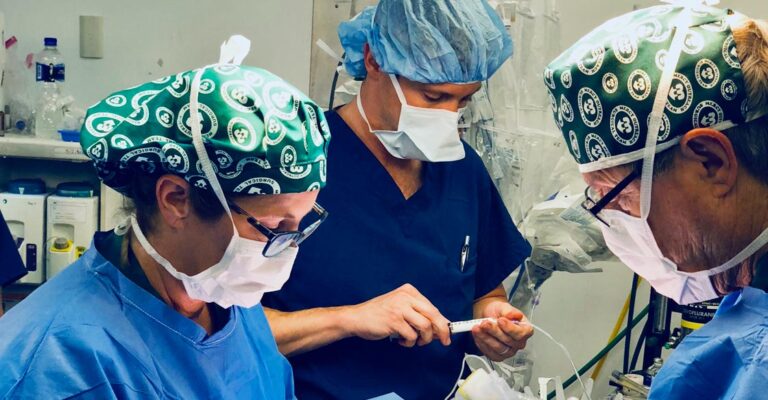

5 Steps Involved in Cancer Care
Navigating a cancer diagnosis involves a series of structured steps designed to provide clarity and direction, and this process maps out the path from initial findings to ongoing monitoring. Understanding these stages may help you and your family know what to expect. Since it is organized by your healthcare team, it can be tailored to your specific situation. Here are five general steps that are involved in cancer care:
1. Early Detection
Finding cancer early typically begins with recognizing changes in your body. In some cases, regular screenings are also a method for early detection. You might notice a new symptom, so you schedule an appointment with your doctor. This first step initiates the process of investigation and care.
Early detection may lead to more treatment options, which typically increase the chances of successful management. While some symptoms may seem minor at first, it’s important to address them promptly. By staying proactive, you help maintain your health and catch potential problems early.
2. Diagnostic Evaluation
Once a concern is raised, a thorough diagnostic evaluation typically follows to determine the cause. This phase confirms or rules out a cancer diagnosis. Doctors use a variety of tests to gather information, and these results paint a detailed picture of your health.
The diagnostic process is comprehensive. A biopsy involves taking a small tissue sample, and pathologists examine the tissue under a microscope. Imaging tests like CT scans and MRIs provide detailed views of internal organs, while blood tests are also used to detect specific markers.
After gathering information, these results are then compiled into a detailed report for the medical team. This report includes the type of cancer, its stage, and its location, and the stage indicates the size of the tumor and if it has spread. This complete evaluation forms the foundation for cancer care decisions.
3. Personalized Treatment Plan
After diagnosis, your medical team develops a personalized treatment plan. This plan outlines the recommended course of action; it is based on the specific details of your diagnosis, your overall health, and your personal preferences. A treatment plan typically includes one or more approaches, and this may include:
- Surgery
- Chemotherapy
- Radiation therapy
4. Chosen Treatment Begins
With a plan in place, the treatment phase begins. This step involves administering the therapies outlined in your personalized plan. You will receive a schedule for your appointments, and your care team will guide you through the process. Your treatment might take place in a hospital or an outpatient clinic. The experience varies for each person, depending on the specific therapies used.
5. Regular Progress Check-ups
Following the active treatment phase, your care continues with regular check-ups. These appointments allow your doctor to monitor your recovery and manage any long-term side effects. Your team will closely track your progress. These check-ups are scheduled at set intervals, which may become less frequent over time.
During check-ups, your doctor may assess the following:
- Blood tests to evaluate overall health and organ function.
- Imaging scans (such as X-rays, MRIs, or CT scans) to monitor for any recurrence.
- Physical examinations to check for any changes or symptoms.
- Discussion of any side effects or concerns you may be experiencing.
Find Cancer Care Near You
Understanding the steps of cancer care is a positive first move. If you or a loved one needs to find a specialist, reach out to an oncology clinic today to connect with a provider in your area. The goal is to make sure you are supported throughout the process, and professionals can provide guidance and compassionate care each step of the way.